The Books That Shaped My Experiences Abroad
Stories that helped me better understand the places I've lived and traveled.
Books have always been one of the ways I make sense of living abroad. Long before I fully understood the places I was moving to, I often found myself reaching for stories about the experience of being somewhere new: trying to belong, learning new things, and discovering the rhythms of a different place. Over the years, certain books have become closely tied to the countries I’ve lived in, not because they are travel guides, but because they helped me notice what I might otherwise have missed.
Looking back, each of these books is connected to a specific chapter of my life abroad. Some books I read before I arrived, shaping my expectations. Others I discovered while I was there, or even after I left, helping me reframe what I thought I already understood. Together, they form an unexpected map of my experiences abroad, one made not of routes or landmarks, but of stories.
Egypt
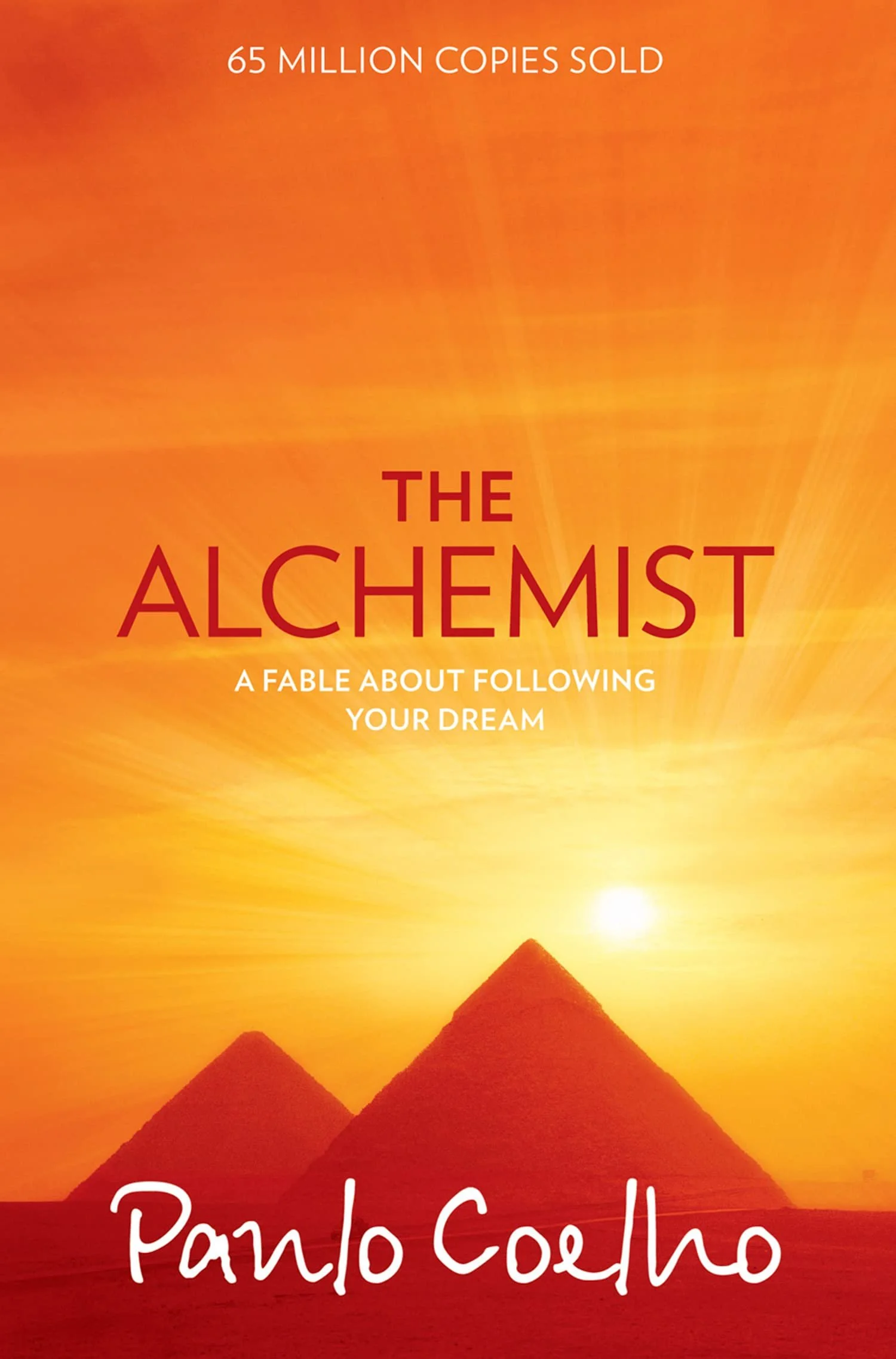
The Alchemist, by Paulo Coelho
After I accepted my first overseas teaching job in Cairo, a close friend gifted me the book The Alchemist, by Paulo Coelho. At the time, I saw it as a thoughtful farewell gift. Looking back, it felt more like a roadmap. The novel follows a young shepherd named Santiago who leaves behind the familiar in pursuit of a dream, crossing deserts and encountering unexpected challenges along the way. As I prepared to leave everything I knew to live in Cairo, I found myself drawn to the book's message that growth often begins with a leap into the unknown.
What made the story especially meaningful was its connection to Egypt itself. Santiago's journey ultimately leads him to the pyramids, a destination that had long captured my imagination. Soon, I would be living in the same country that served as the backdrop for the novel's climax. Standing in Cairo for the first time, surrounded by the noise, energy, and history of the city, I often thought about the themes of the book. While my own journey looked very different from Santiago's, The Alchemist reminded me to stay curious, embrace uncertainty, and trust that some of life's most rewarding experiences are found way beyond our comfort zones.
As I prepared to leave everything I knew to live in Cairo, I found myself drawn to the book's message that growth often begins with a leap into the unknown. I remember being emotional as the book ended. I would soon be leaving the US, and this book helped me feel like I had made the right decision.
Thailand
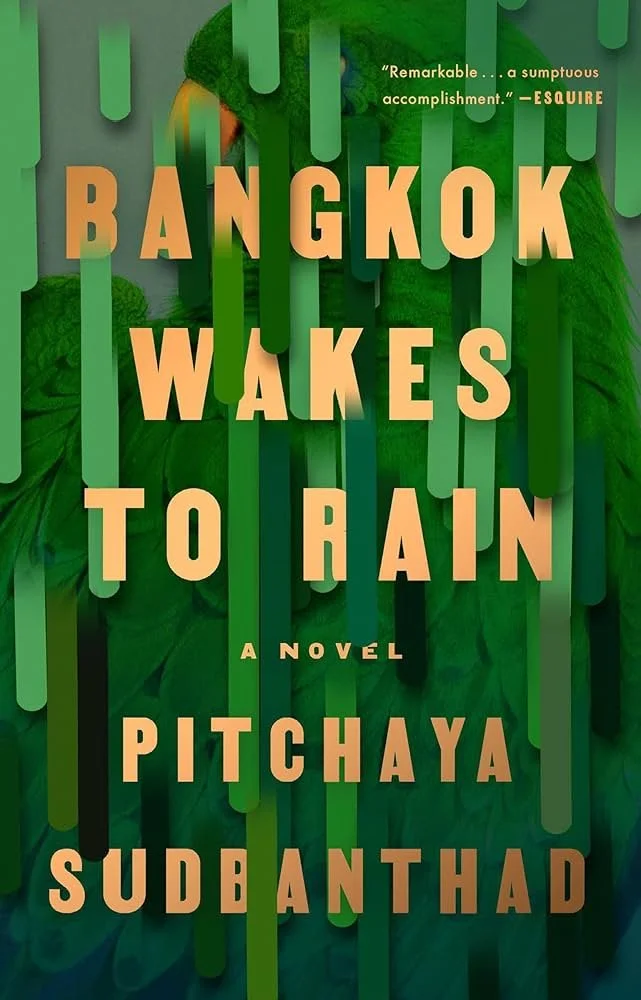
Bangkok Wakes to Rain by Pitchaya Sudbanthad
Unlike The Alchemist, which I read before moving abroad, Bangkok Wakes to Rain by Pitchaya Sudbanthad is a book I discovered after my time in Bangkok. The novel follows multiple characters across different generations, using their stories to explore how Bangkok changes over time while still retaining its unique identity. Rather than focusing on a single journey, it paints a portrait of a city shaped by history, memory, and constant transformation.
Reading about Bangkok in this way resonated with my own experience living there. Some of my favorite memories are simply wandering through different neighborhoods and discovering how quickly the city could change from one street to the next. As an expat, it was easy to focus on my own chapter of life in Bangkok, but the novel reminded me that every resident, visitor, and generation experiences a different version of the city. My years there were only a small part of a much larger story, one that continues to unfold long after I left.
China
Wild Swans: Three Daughters of China, by Jung Chang
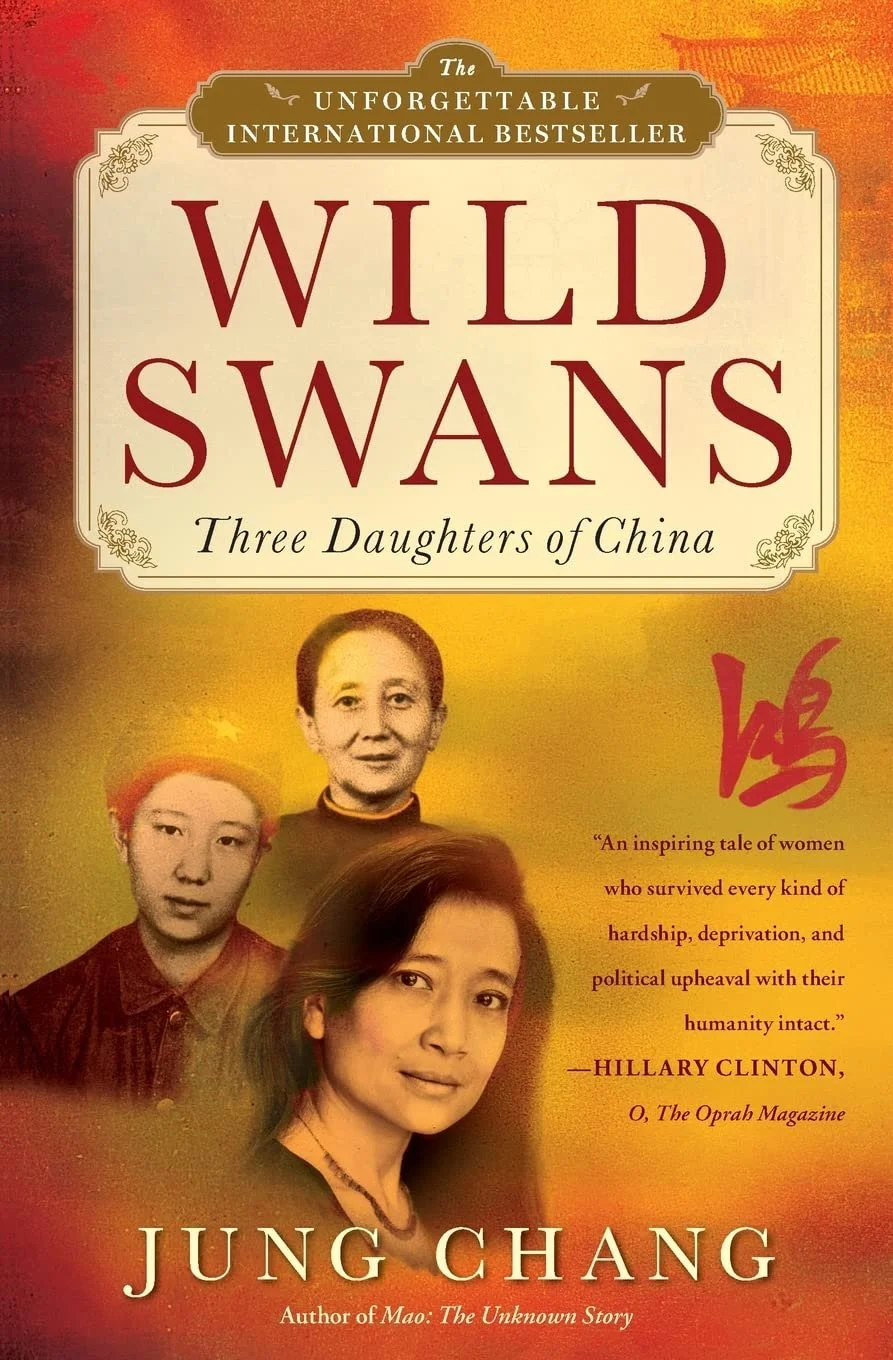
Of all the books connected to my years abroad, Wild Swans: Three Daughters of China by Jung Chang is one that has stayed with me the longest. I've read it twice, and each time I was struck by the remarkable story of three generations of women whose lives were shaped by some of the most dramatic events in modern Chinese history. Through the experiences of Chang's grandmother, mother, and the author herself, the book offers a deeply personal perspective on war, revolution, and the sweeping changes that transformed China throughout the twentieth century.
When I lived in China, Wild Swans helped me appreciate that the country I was experiencing was only the latest chapter in a much larger story. It was easy to be fascinated by the rapid development, modern cities, and everyday life around me, but the book provided valuable context for understanding how much change had occurred within living memory. Reading about the resilience of the women in Chang's family also reminded me that history is not just a collection of dates and political events - it is the story of ordinary people adapting to extraordinary circumstances. Long after leaving China, Wild Swans remains one of the books that most profoundly shaped how I think about the country and its people.
On the Noodle Road, by Jen Lin-Liu
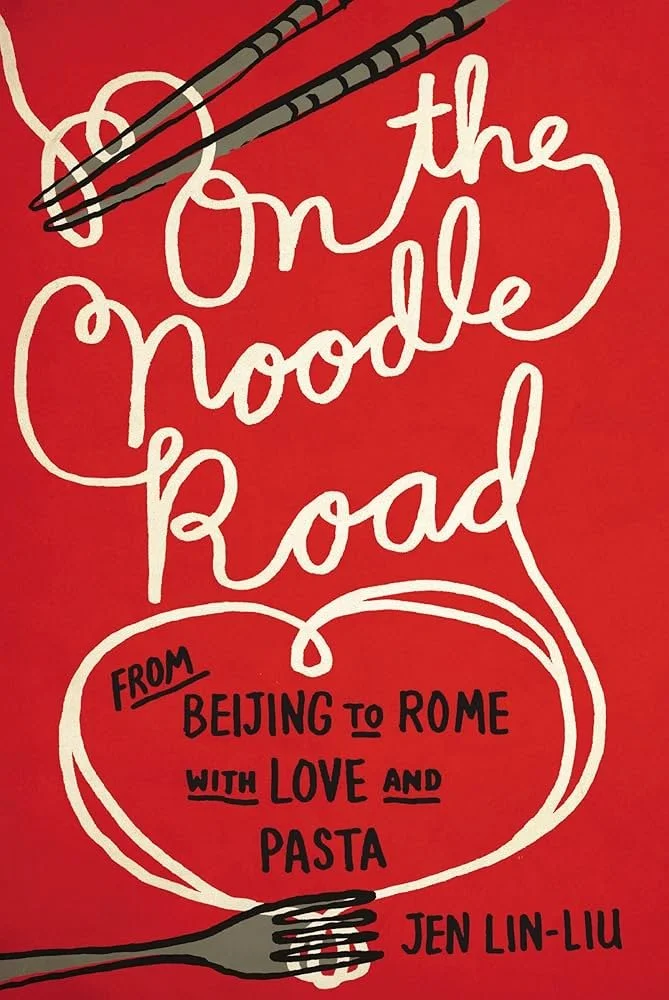
Another book about China that stayed with me is On the Noodle Road by Jen Lin-Liu. I first came across it unexpectedly while dining at Black Sesame Kitchen in Beijing. This is a tiny cooking school and restaurant where all the guests sit together at one long table while the chefs prepare the meal right in front of you. That evening, surrounded by strangers and the smell of spices and simmering broths, I noticed copies of Jen Lin-Liu’s books for sale and picked one up almost instinctively.
In On the Noodle Road, she travels across China tracing the history of noodles along the Silk Road, moving from region to region to understand how food shifts with geography, culture, and history. What I loved most was how each place felt like a completely different culinary world - hand-pulled noodles in one region, rich lamb-based dishes in another, spices and techniques shaped by centuries of exchange and migration.
Reading it while living in China made me pay closer attention to food not just as something you eat, but as a language of place. Every bowl seemed to carry something of the landscape it came from. It also made me realize how vast and varied China is in ways I had only just begun to understand. I’ve since looked for more of Jen Lin-Liu’s writing, and I’m currently reading Feed the People, which continues her exploration of food, community, and culture.
India
The Covenant of Water, by Abraham Verghese
I read The Covenant of Water by Abraham Verghese within my first few months of moving to India, after a coworker recommended it to me almost immediately upon my arrival. The novel is set in Kerala and follows a family across multiple generations, beginning with a young girl who marries into a household marked by a strange and persistent tragedy: in every generation, at least one person dies by drowning.
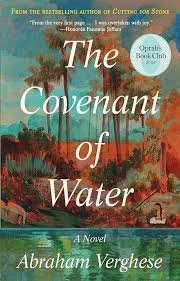
Around the same time I finished the book, I also had the chance to travel to Kerala myself. Visiting Kerala shortly after finishing the book felt a bit like stepping into its pages. Seeing the lush landscape in person - the waterways, the greenery, the slow, humid rhythm of life - added another layer to everything I had read. The setting no longer felt imagined; it had a texture and weight that matched Verghese’s descriptions.
What struck me most, though, was not only the beauty of the region but the way the novel intertwined everyday life with medicine, tradition, and change. It offered a perspective on India that felt both deeply intimate and expansive, where personal lives are constantly shaped by larger forces—family history, geography, and the evolving practice of medicine. Reading it while beginning my own time in India made me more attentive to those overlapping layers in everyday life.
Shantaram, by Gregory David Roberts
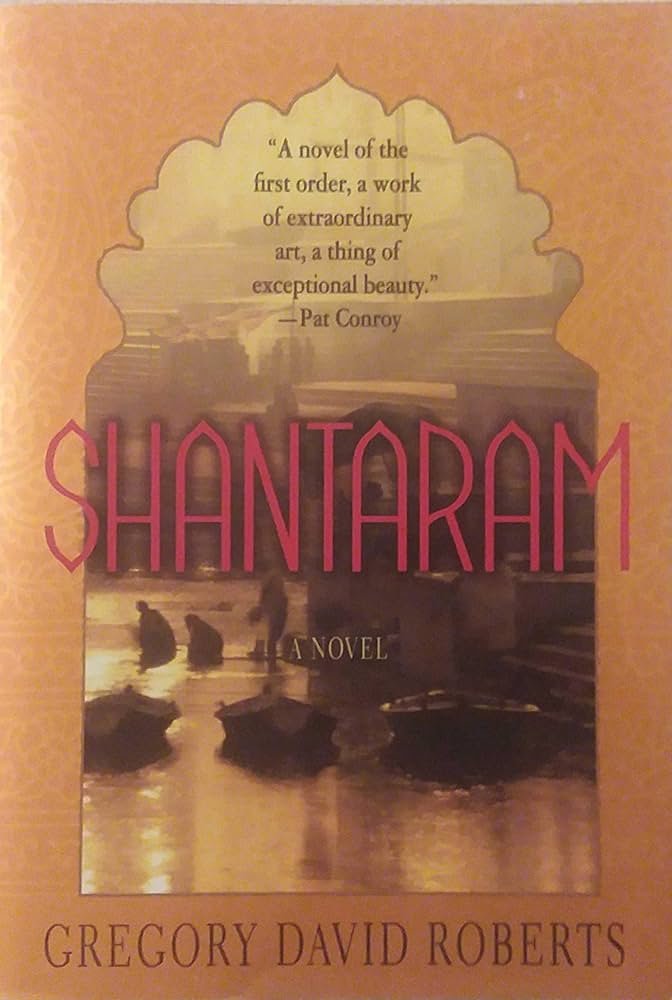
I first read Shantaram by Gregory David Roberts years before moving to India was even on my radar. It tells the story of a man who escapes prison in Australia and flees to Mumbai in the 1980s, where he arrives with nothing and quickly finds himself pulled into an entirely new world. After being robbed soon after his arrival, he ends up living in a Mumbai slum and slowly builds connections with memorable characters.
What stayed with me most was the way the city itself becomes almost like a character in the book. It’s unpredictable, overwhelming, and full of contradictions. Years later, when I eventually visited Mumbai, I found myself thinking constantly about scenes from the novel. Walking through the city, I recognized fragments of places he had written about, including Leopold’s Café, which felt strangely familiar even though I had never been there before.
Seeing those locations in real life blurred the line between reading and experience in a way I didn’t expect. The city felt larger than any one narrative, but Shantaram gave me a lens through which I first learned how to imagine Mumbai as a palce that’s messy, layered, and deeply alive.
Final Thoughts
What I find most interesting now is how these books continue to shift in meaning depending on where I am in the world. A story I once read in one context can feel entirely different years later, after I’ve stood in the places it describes or lived through something loosely similar. The books don’t just remind me of the countries I’ve lived in, they reshape how I remember them.
In many ways, I no longer separate the books from my lived experiences. Cairo, Bangkok, Beijing, Chennai, each place exists in my mind not only as a collection of streets, sounds, and experiences, but also as a set of stories I carried with me while I was there, and sometimes long after I left.
Travel changes how you read, but reading also quietly changes how you travel. Looking back, I realize that many of my memories abroad are tied to books. When I think about my experiences abroad, I don't just remember the places themselves. I remember the stories that helped me understand them. Travel changed how I read, but reading also changed how I traveled, and I'm grateful for both.
These are just a few of the books that have shaped my experiences abroad so far. As I continue exploring new places, I'm sure there will be many more stories waiting to join the list!
Until next time - keep saying yes to the adventure.
