How I Prepare For Long-Term International Travel
Introduction
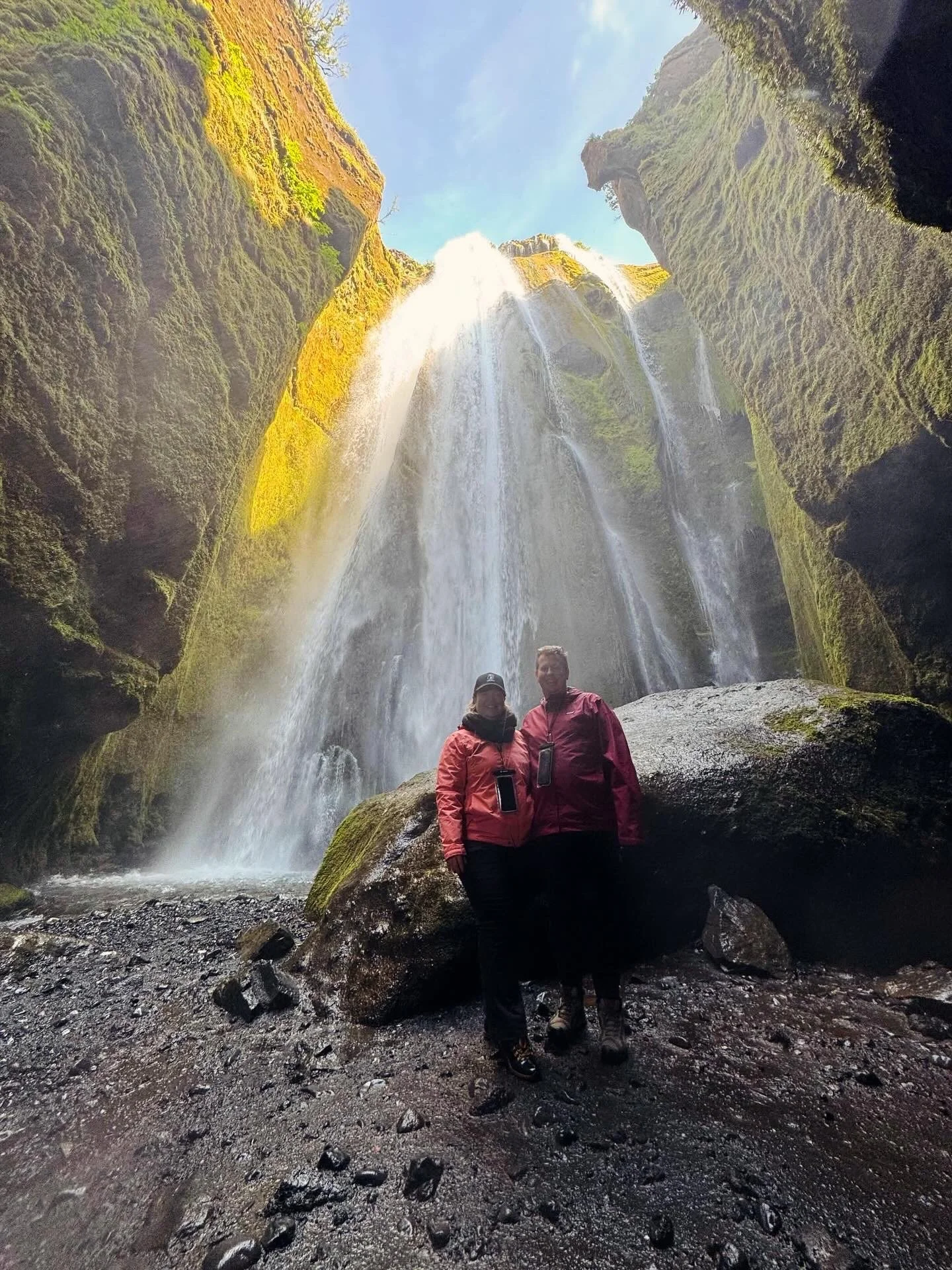
In Iceland last summer.
Every summer, our apartment in Chennai slowly disappears under piles of clothes, packing cubes, adapters, and half-zipped suitcases. After 15 years of international travel, I’ve finally become the kind of person who can pack for several weeks without bringing three pairs of shoes I’ll never wear.
As I’m preparing for another full summer of traveling, I thought it would be a good time to document and share how I prepare for longer trips. Some of my travels are short - just a week or less - while others last three or four weeks at a time.
During the summer months, we usually travel back to the US to visit family. My husband is from Michigan and I’m from Wisconsin, so we typically split our time between the two states. In recent years, we’ve also started adding another destination before heading back to the US. Since we live in India, Europe becomes surprisingly accessible during the summer months, and it’s often the perfect opportunity to stop somewhere new on the way home.
Last summer, we visited Iceland and London. This summer, we’re finally taking a long-dreamed-of trip to Italy, including Sicily and the Amalfi Coast. My husband and I visited Italy last winter, but we’ve been dreaming of the day when we can go during warmer weather to experience the islands and beautiful coastline. Pasta, Aperol spritzes, and beautiful beaches honestly sound like the perfect summer combination to me!
How We Plan Our Trips
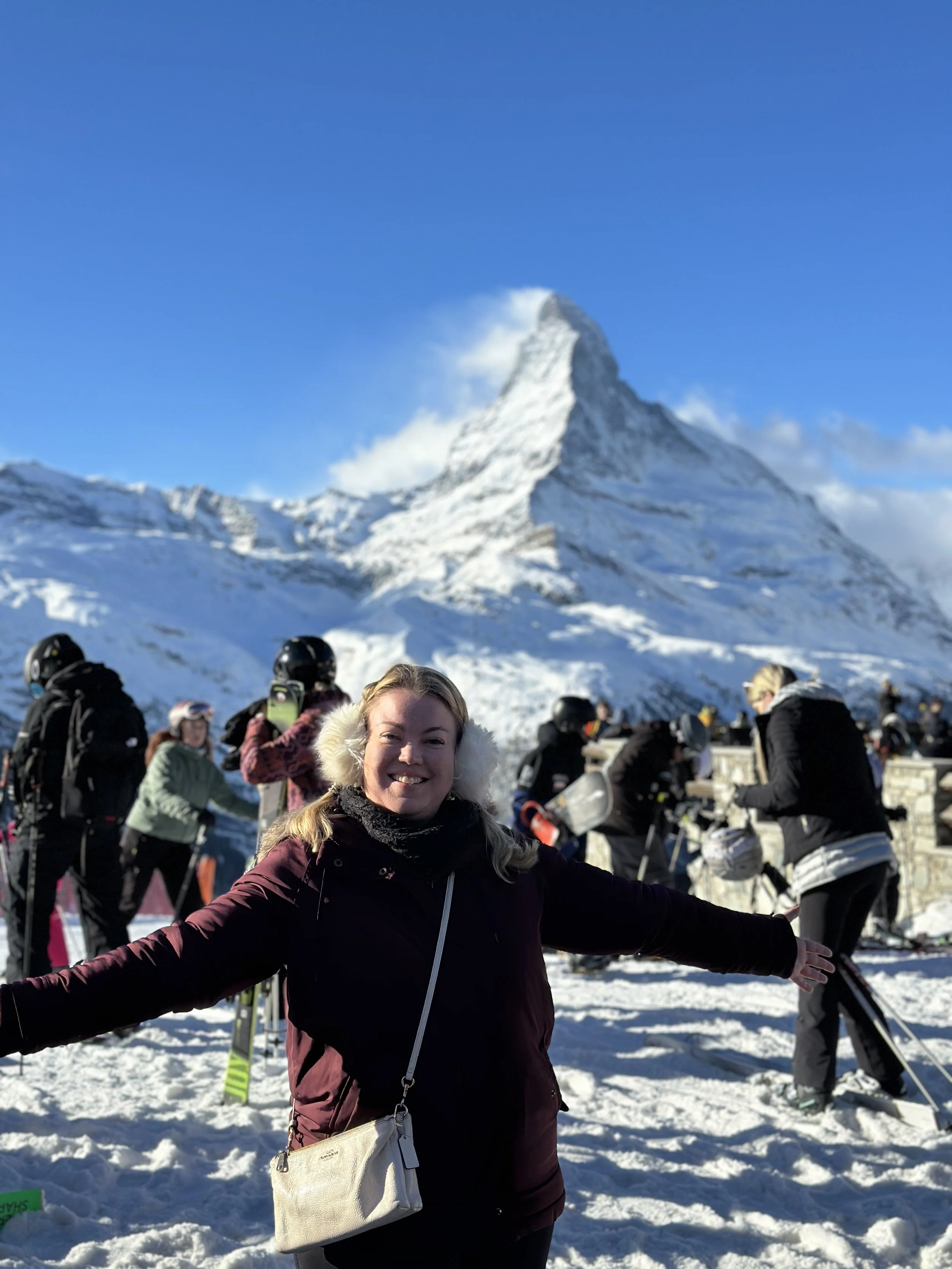
Winter in Switzerland.
Depending on the destination, I usually start planning anywhere from two to six months in advance. That might sound excessive to some people, but one advantage of working in international schools is that we receive our holiday calendar well ahead of time.
My husband and I usually sit down together with our calendar and start narrowing down destinations based on:
the time of year
flight distance from Chennai
weather
budget
and places we still want to experience
Typically, we have:
one week off in October
one week for Spring Break in March
and about three weeks during Christmas and New Year’s
One of the unexpected gifts of living abroad has been how much more accessible travel feels. When we lived in Beijing during Covid, we spent nearly three years unable to travel internationally. After moving to India, we were eager to explore again.
For our October breaks, we usually travel internationally. Over the last few years, we’ve visited Portugal, Greece, and Thailand. Thailand is always an easy and meaningful trip for us because we previously lived in Bangkok for four years. We usually split our time between visiting friends and relaxing on the islands.
For winter break, we tend to plan longer trips - partially because we love escaping the Chennai heat for colder weather. Some past winter trips have included Switzerland, Amsterdam, Bruges, and Paris. This year, we traveled through Warsaw, Krakow, Prague, and Budapest.
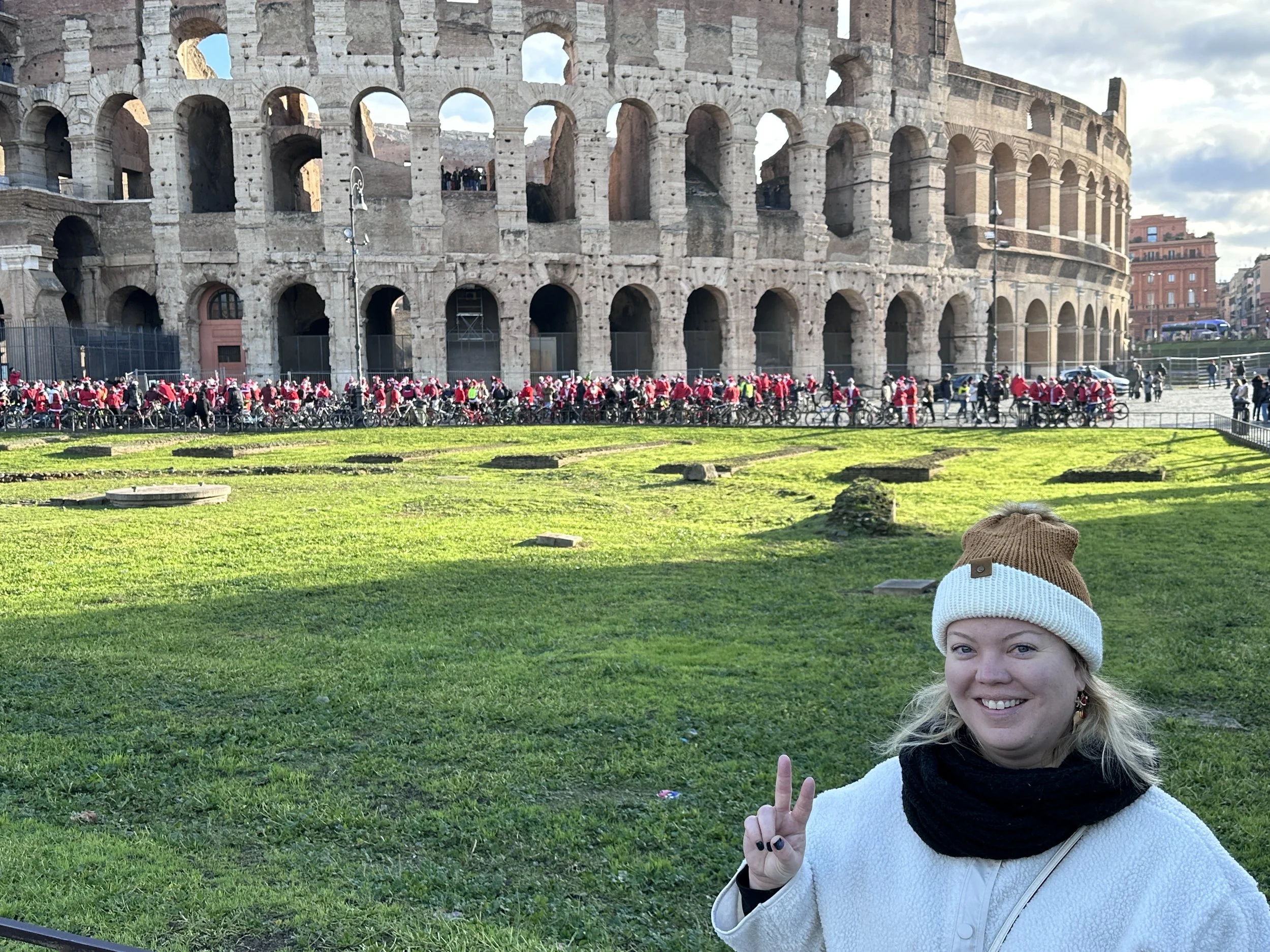
Santa’s at the Colosseum.
We’ve also spent previous winter holidays traveling around Italy, including Rome, Verona, Venice, and Milan, so we already know we’re going to love this summer!
One of my favorite memories from our last trip to Italy happened in Rome on Christmas Eve. We were visiting the Colosseum when we started noticing people dressed as Santa Claus gathering throughout the ruins. At first it was just a few, but within minutes there seemed to be hundreds of them.
We stood there completely confused, watching more and more Santas arrive while music echoed through the area. Eventually, we realized it was some kind of holiday biking event happening across the city.
It was completely unexpected and honestly one of those small travel moments I still remember vividly.
For Spring Break, we usually stay within India. There are still so many places we want to see here before we eventually move again.
Booking Flights, Hotels, and Transportation
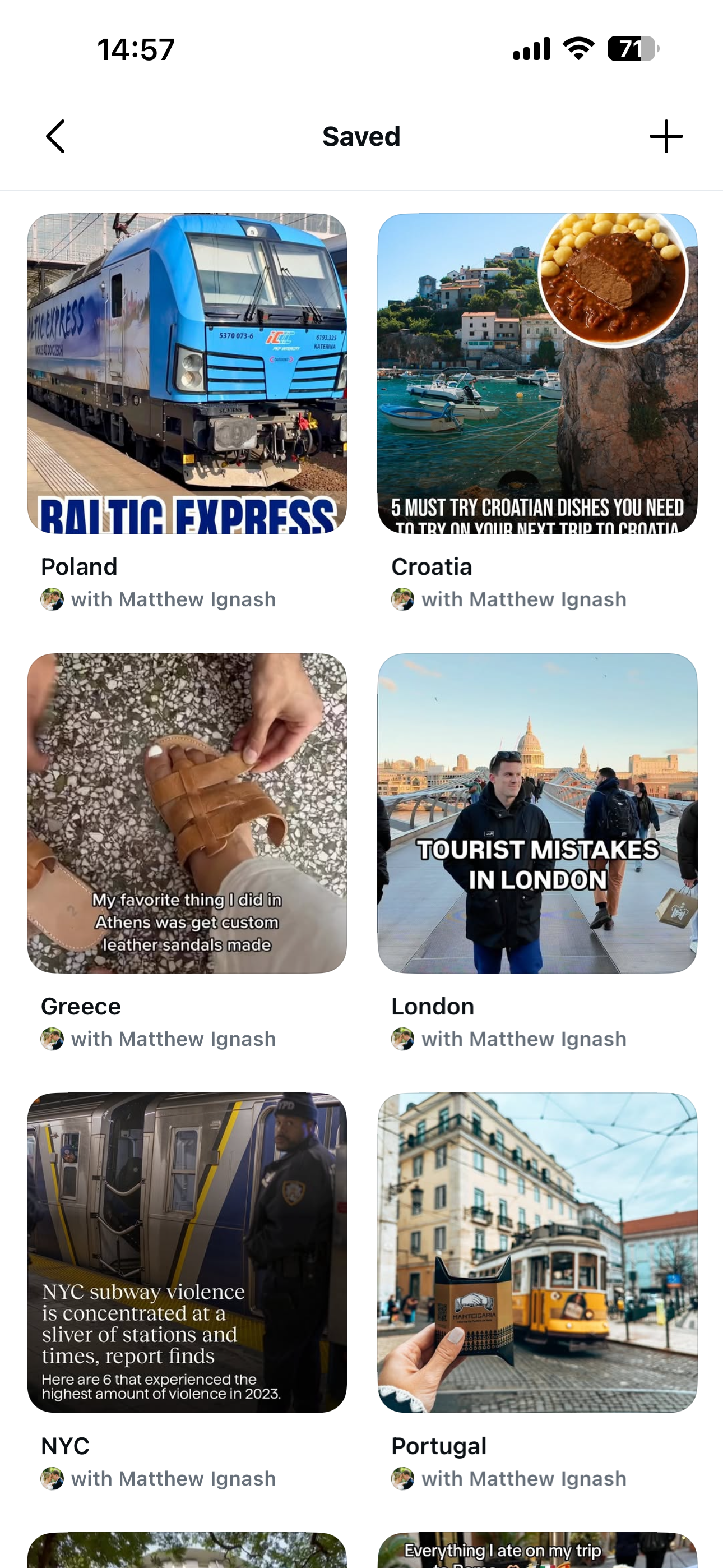
A screenshot of some of our saved Instagram posts.
Typically, we book flights first, followed by hotels. Train tickets usually aren’t available quite as far in advance, so we keep an eye on the booking timelines and purchase those as soon as they open.
Once transportation and accommodation are confirmed, we start building a rough outline for each day. We’re not usually the type of travelers who schedule every minute, but I do like having a general plan.
Instagram has actually become one of our favorite planning tools. My husband and I create shared folders for each trip and send each other reels and posts with restaurants, cafés, neighborhoods, viewpoints, and experiences we want to remember. We often end up sending each other the same reels, so obviously we’re meant to be together!
I especially like using Instagram because it often feels more immediate and personal than traditional travel guides.
I also rely heavily on TripAdvisor and Google Reviews, especially for hotels and restaurants. Viator can also be great for booking day trips and excursions.
Finally, I rely heavily on people’s personal blogs and stories, especially when they’ve recently been to a destination I’m going to. I find that these are often more personal and factual because you get a clearer idea of the big picture.
One thing I’ve learned over the years: always read the reviews carefully before booking anything! Photos can be misleading, but reviews usually tell the real story.
Budgeting (Sort Of)
Budgeting is admittedly not my strongest skill when it comes to travel. I’m definitely someone who prioritizes experiences, good food, and memorable hotels over strict spreadsheets.
That said, budgets naturally vary depending on where you’re traveling. We usually spend significantly more during our European winter trips, while our travels around India tend to be much more affordable.
I think it’s helpful to have rough spending categories in mind before a trip:
hotel budget per night
transportation costs
daily food spending
and how much you’re willing to spend on excursions or special experiences
I’ve also learned that sometimes it’s worth spending a little more for convenience, comfort, or location, especially on longer trips where exhaustion can build up quickly. The cost of taxis can also add up and take away precious exploration time. I’d personally rather be in the heart of the action rather than sitting in a taxi.
This is especially true when it comes to hotels. We usually try to stay in a convenient area that’s either close to public transportation or within walking distance of major sites and neighborhoods we want to explore.
While these hotels are sometimes more expensive than staying on the outskirts of a city, I often find the extra cost worth it. In the end, you usually save both time and energy by avoiding long commutes back and forth each day.
What I’ve Learned About Packing
Packing efficiently took me years to figure out.
When I first started traveling internationally, I massively overpacked. I brought shoes I never wore, clothes I never touched, and “just in case” outfits that stayed folded in my suitcase the entire trip.
The downside was that I never had room to shop or bring home souvenirs because my suitcase was already completely full.
Now, I pack much more intentionally.
One thing that helps tremendously is booking accommodations with laundry access. For a three-week trip, I’ll usually bring about five or six outfits that I can rewear and mix together in different ways.
To make outfits feel different, I rely more on accessories like:
scarves
earrings
and small layering pieces
I’ve also narrowed my shoes down to:
one reliable pair of walking shoes
and one additional pair depending on the destination
That second pair might be sandals for warm weather or boots during winter trips. If we plan to visit nicer restaurants, I may bring one dressier option as well.
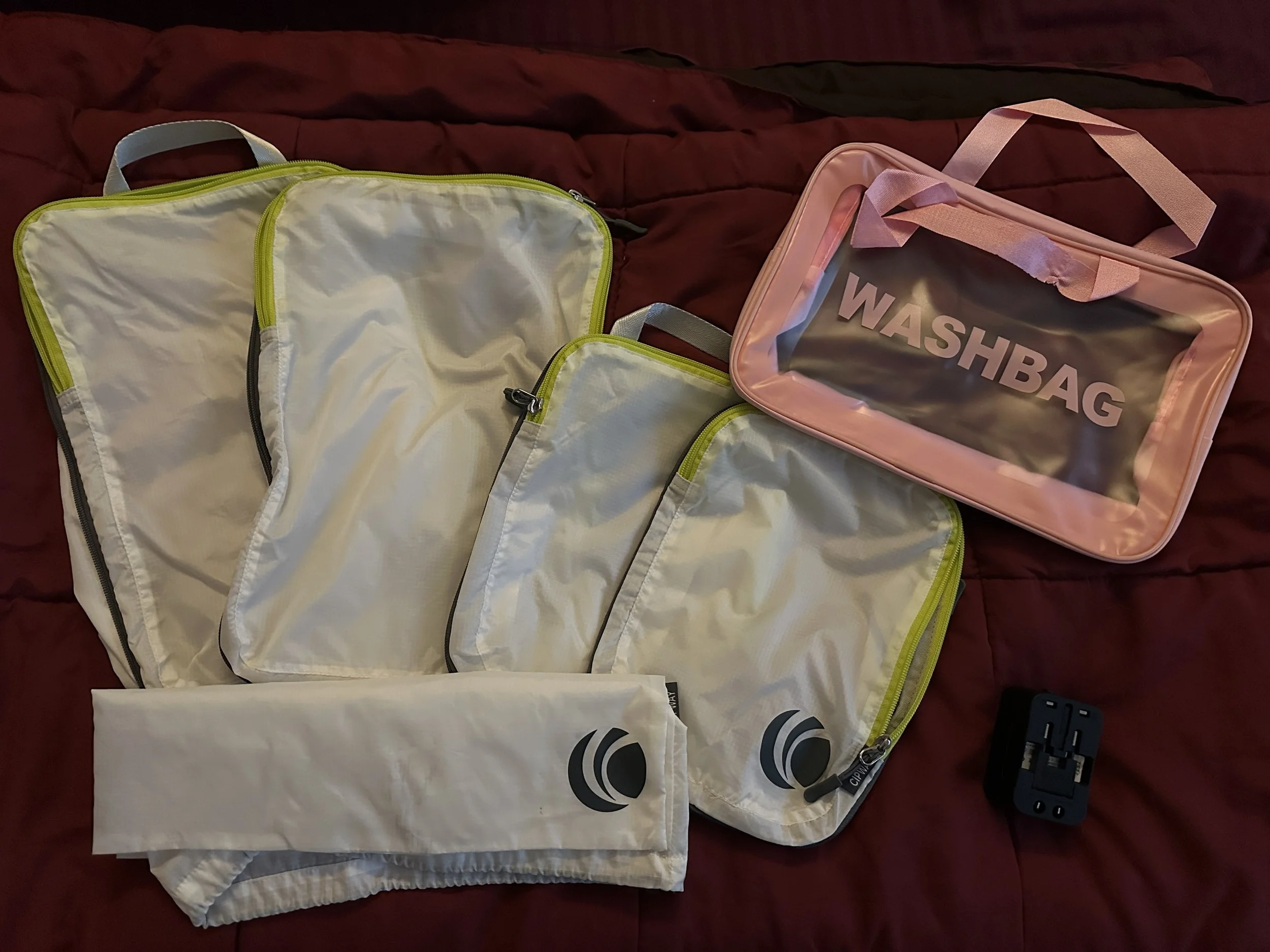
My packing cubes and travel adapter.
Packing cubes are another thing I now completely swear by. They make unpacking and repacking so much easier, especially on trips where we move hotels frequently.
I also keep:
jewelry in a small pouch
hair accessories in another
and toiletries in a separate travel bag with mostly travel-sized products
One thing I always double-check before a trip is whether I have the correct travel adapter for the country we’re visiting. After years of international travel, I’ve learned this is one of those tiny details that can become a huge inconvenience very quickly.
I personally prefer universal adapters because they work in multiple countries and take up less space in my luggage. We never have to think twice about whether it will work when we arrive somewhere new.
Carry-On Essentials
Carry-on packing is very personal, but there are a few things I now always bring on long-haul flights.
First: one full change of clothes.
After 15 years of international travel, my luggage has only been delayed once - but once was enough for me to learn that lesson.
Compression socks are also absolutely essential on long-haul flights. They genuinely make such a difference in how I feel after landing.
Other carry-on essentials for me include:
hand sanitizer
lotion
tissues
antibacterial wipes
a phone charger
headphones
a sweater
and a good book
I also recommend buying a large bottle of water at the airport before boarding so you don’t have to wait for drink service during the flight.
Preparing for Long Flights
Before a long flight, I always try to get some movement in if possible. A walk, bike ride, or light workout helps me feel much better physically during travel days.
I also try to walk around the airport before boarding instead of sitting at the gate the entire time.
For me, this becomes especially important on flights longer than eight hours.
I know stress and anxiety around flying are very common for many people. If that’s something you struggle with, it’s always worth speaking with your doctor about what might help in your specific situation.
Personally, I like traveling with melatonin or ZzzQuil to help me sleep on overnight flights. And of course, a glass of wine onboard never hurts either!
Final Thoughts
After years of international travel, I’ve learned that preparation makes traveling so much more enjoyable. The less stressed I am about packing, transportation, and logistics, the more present I can be once I actually arrive somewhere new.
Travel still feels exciting to me, even after all these years. Every trip teaches me something different, whether it’s a new place, a new perspective, or simply a better way to pack a suitcase.
I’m sure this summer’s adventures will teach me something new too, and I hope you follow along!
Until next time - keep saying yes to the adventure.
